Car Storage Brisbane
Published
Storing a car in Brisbane isn't as simple as locking it up and walking away. Brisbane's heat, humidity, and afternoon storms can do real damage to a vehicle that isn't prepared properly - flat batteries, tyre degradation, fuel varnishing, and moisture ingress are all common problems when cars sit idle for weeks or months without the right setup.
Whether you're heading overseas, downsizing from two cars to one, storing a classic between shows, or just freeing up driveway space, this guide covers what you actually need to know - and what most people skip.
Why Brisbane's Climate Makes Car Storage Different
Brisbane's subtropical climate is harder on stored vehicles than most people realise. Summer temperatures regularly exceed 35°C, and the combination of heat and humidity accelerates problems that would take far longer in a cooler, drier climate.
Heat and UV exposure
Prolonged UV exposure breaks down rubber seals, fades paint, and cracks dashboards and interior trim. Even parked under shade, a car sitting in Brisbane summer conditions for months will show the effects. A good quality car cover - especially a breathable one - significantly reduces UV and heat damage on outdoor stored vehicles.
Humidity and moisture
Brisbane's wet season runs roughly November to March. Moisture can work into carpets, door seals, and the engine bay during this period. Silica gel packs inside the cabin help absorb residual moisture. Leaving windows very slightly cracked in a ventilated outdoor storage bay is better than sealing them completely - airtight spaces breed mould faster than ventilated ones.
Pests
Rodents are an underappreciated risk. They nest under bonnets, chew wiring and hoses, and can cause expensive damage in just a few weeks. Avoid leaving any food in the cabin, use pest deterrents around the tyres, and check on your vehicle periodically if storing for extended periods.
How to Prepare a Car for Storage in Brisbane
1. Fuel
For short-term storage (under 3 months), a full tank of fresh fuel reduces the air space where moisture can condense. For storage beyond 3 months, add a fuel stabiliser and run the engine briefly to circulate it through the fuel system. Stale fuel varnishes injectors and carburettors - especially problematic in older vehicles and classics.
2. Battery
A car battery will self-discharge sitting idle. After 4-6 weeks without being started or charged, most lead-acid batteries will be too flat to start the car. Options: disconnect the negative terminal (slows discharge), use a battery tender if power is accessible at your storage site, or remove the battery entirely and keep it somewhere cool and dry. For longer-term storage, budget for a possible battery replacement on return if you're not managing the charge.
3. Tyres
Flat spots develop when a stationary tyre bears the car's weight in the same position for months. Inflate tyres to the upper end of the recommended range before storage. For storage beyond 6 months, moving the car slightly every few weeks prevents permanent flat spots. Sealed bitumen surfaces are better for stored tyres than gravel or soft ground.
4. Brakes
Don't leave the handbrake fully engaged for extended storage - brake pads can bond to rotors in humid conditions. Park on flat ground in gear without the handbrake, or use wheel chocks. If your storage bay has any slope, engage the handbrake but plan to release it periodically.
5. Fluids
Check coolant, brake fluid, and engine oil before storing. Old coolant can corrode the cooling system from the inside. Old brake fluid absorbs moisture over time and lowers its boiling point. A pre-storage oil change removes combustion acids from sitting against metal surfaces for months.
6. Cleaning and protection
Wash and wax the car before storage. Wax protects paint from UV and environmental contaminants. Clean the interior thoroughly - food residue attracts pests, and any spills left in carpet will mould in Brisbane's humidity. Apply rubber protectant to door seals to prevent them drying out and cracking over summer.
Short-Term vs Long-Term Car Storage
The preparation level scales with how long the car will sit.
For short-term storage under 8 weeks, the main priorities are a sealed surface, a car cover if outdoors, and a reasonably full fuel tank. Most cars will start fine after a month or so with minimal preparation.
For medium-term storage 2 to 6 months, add battery management, tyre pressure top-up, fuel stabiliser past the 3-month mark, and a full clean before storing.
For long-term storage beyond 6 months, all of the above plus: consider removing the battery entirely, slightly overinflate tyres, apply fogging oil to cylinders on classic or older vehicles, and disconnect or drain fuel for carbureted engines if you won't use stabiliser.
Classic and Collector Car Storage
Classic cars need more care than daily drivers. Carbureted engines are more vulnerable to fuel degradation - stabiliser or full fuel removal is worth doing. Older rubber components like seals, hoses, and belts are more prone to dry rot when stored. Breathable cotton or wool covers are better than synthetic covers for classics - they don't trap moisture against the paintwork the way an airtight synthetic cover can.
If your classic is unregistered, off-site storage also solves the council question - some Brisbane councils have rules around how long unregistered vehicles can remain on a residential property.
How Much Does Car Storage Cost in Brisbane?
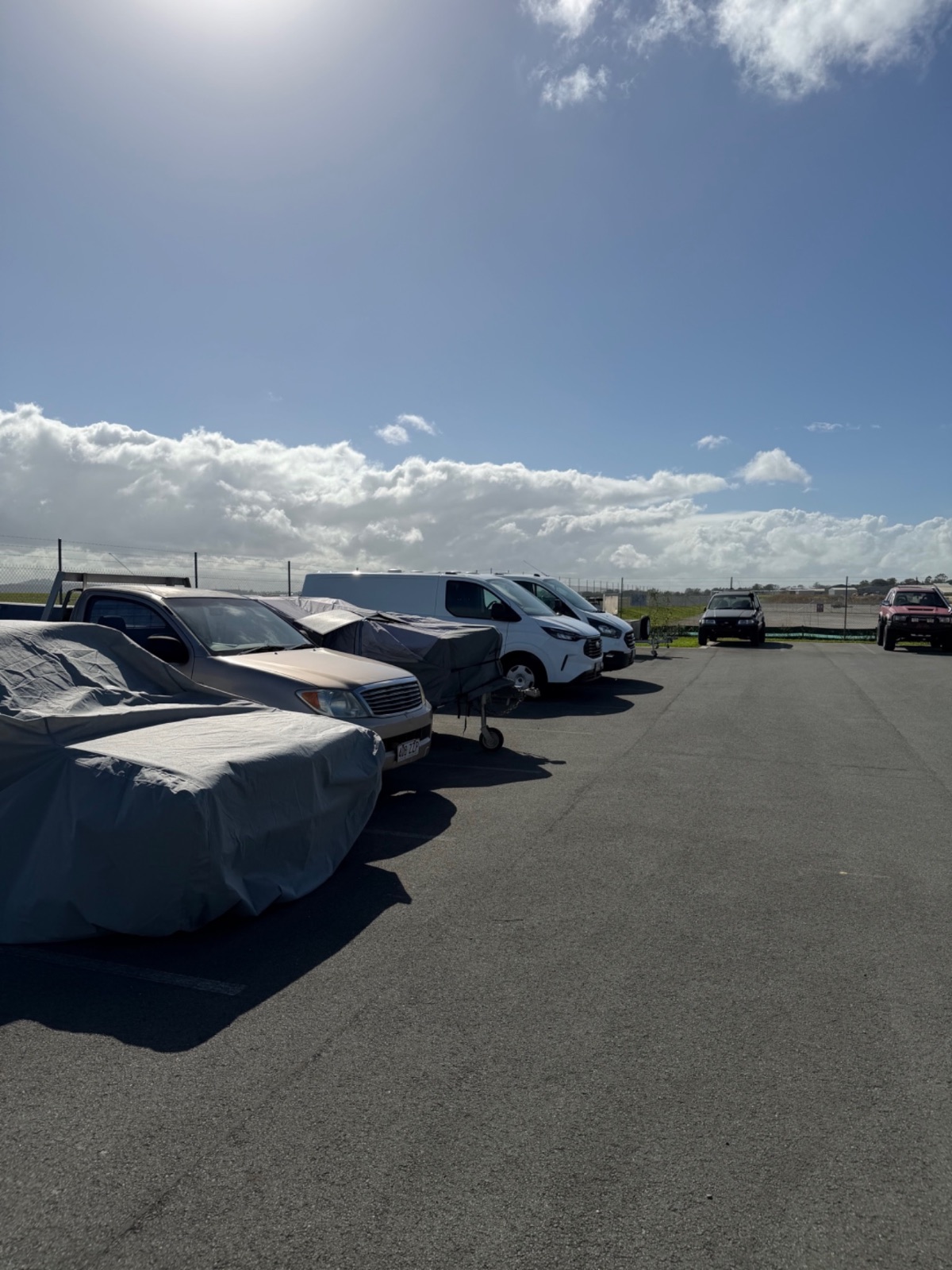
Car and vehicle storage at Storage Land costs $250 per month. That covers a standard car in a sealed bitumen yard bay with 24/7 access and no lock-in contracts. Pull in, secure your vehicle with your own padlock, and access it whenever you need - no booking required, no staff to coordinate with.
Compare that to the cost of renting a second garage (typically $300-$500+ per month in Brisbane), or leaving a car unattended on the street. For most people storing a car for a few months, dedicated vehicle storage works out cheaper and more secure than the alternatives.
Car Storage at Storage Land - Archerfield
Secure outdoor storage from $250/mo
Storage Land is at 675 Beaufighter Ave, Archerfield QLD 4108, about 15 minutes from Brisbane CBD. Sealed bitumen yard, security fencing, 24/7 access, no lock-in contracts. We store everyday cars, classics, project vehicles, and second cars that owners want off their driveway or garage.
Access is available any time - if you want to check on your car, do maintenance in your bay, or take it out for a weekend drive, just drive in. No advance notice needed.
Frequently Asked Questions - Car Storage Brisbane
Can I store an unregistered car at Storage Land?
Yes. We store unregistered vehicles. There is no requirement for the car to be currently registered. Just ensure it can be safely moved in and out of the facility.
Can I access my car at any time?
Yes. Storage Land is open 24 hours a day, 7 days a week, 365 days a year. There are no office hours to work around.
Do I need to provide my own lock?
Yes. You bring your own padlock for your bay. This gives you full control over who can access your vehicle.
What notice do I need to give when I finish?
30 days notice to vacate. No exit fees or lock-in penalties.
Can I do work on my car while it's in storage?
Yes. You have full access to your bay and can carry out maintenance or work on your vehicle during your storage period.
Store Your Car from $250/Month
Sealed bitumen yard, 24/7 access, no lock-in contracts. Archerfield, Brisbane South.